
Latimer County Arrest Records and Court Charges
An arrest record in Latimer County is the account of an arrest itself. It shows who was taken into custody, the agency that made the arrest, the booking time, and the listed reason for the hold. Most arrests here are made by the Latimer County Sheriff's Office or the Wilburton Police Department. An arrest does not mean a court case exists yet. After booking, the District Attorney for District 16 reviews the facts and decides whether to file formal charges. When charges are filed with the Court Clerk, they become the court charge record that the case is built on.
Keep the two records straight. The arrest and booking side lives with the jail and sheriff, and the roster holds the custody detail. The charge side lives in the District Court file, and it tracks each count the prosecutor brought. For booking status and the jail roster, see the Latimer County inmate records. For the full case file, pleas, and outcome, the criminal court records follow the charges through to the end.
The arresting agencies in the county publish their own contact and duty information. The Latimer County Sheriff's Office handles custody, jail intake, and warrant service across the county.
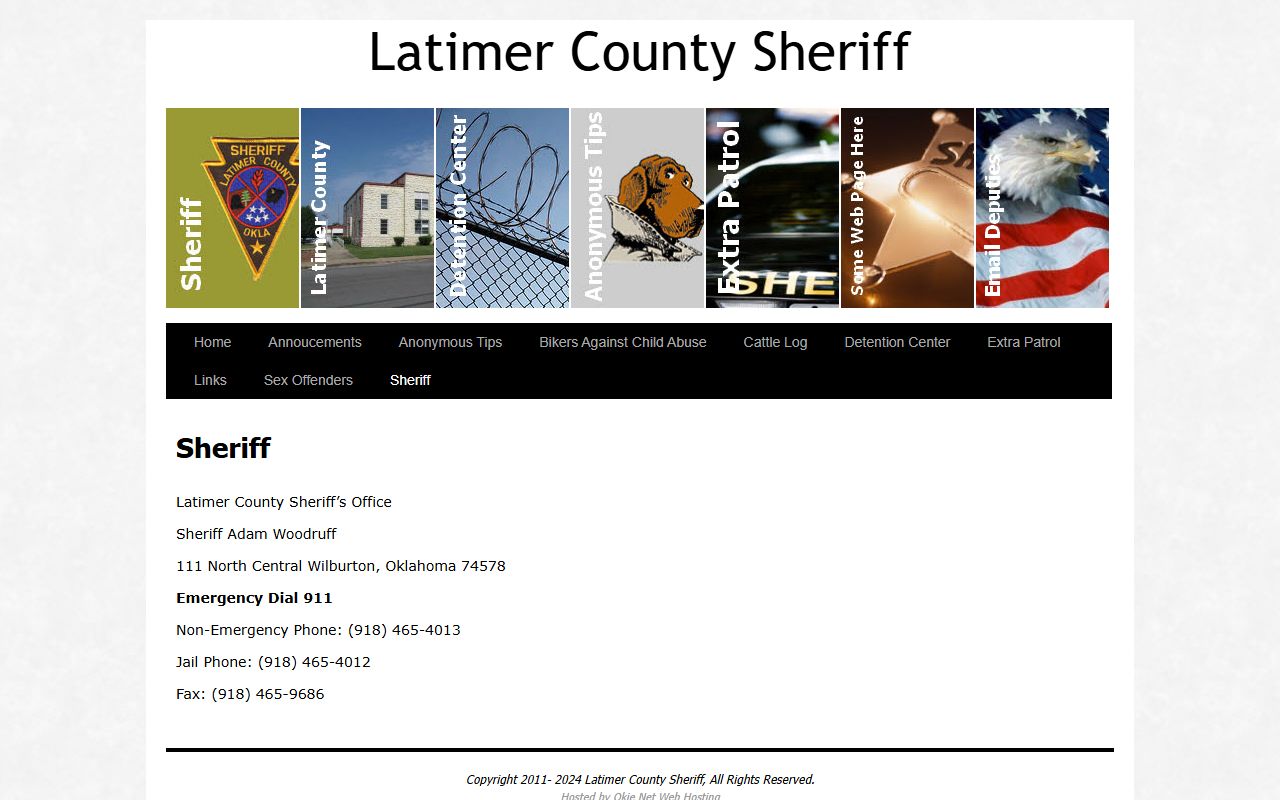
The sheriff books a person, but the booking step does not set the charges that a court will weigh. That decision sits with the prosecutor, and it shapes everything in the charge record.
How to Find Latimer County Arrest Records and Charges
Filed charges and their status show up in the District Court case search. Two public portals cover Latimer County. ODCR, the On Demand Court Records system, is linked from county pages as the court records search and allows free name and case-number lookups. OSCN, the Oklahoma State Courts Network, is the official statewide docket site, though it may run a human check before it loads. Booking and custody detail is not in these court portals. That detail sits in the jail roster instead.
- Open ODCR and choose Oklahoma District Courts, then select Latimer to narrow the search to the county.
- Search by the defendant name in last, first form, or enter the case number if you have it.
- Open the case and read the charge list, which names each count the prosecutor filed.
- Check each charge for its statute code, its level, and its current status in the docket.
Court portals show what was filed in one county. A wider check needs a statewide source. The Oklahoma State Bureau of Investigation keeps the statewide criminal history file, and a name or fingerprint search there pulls charges and dispositions from across Oklahoma. For records a clerk must confirm, certify, or pull from older files, the Court Clerk counter remains the fallback.
Note: ODCR and OSCN are convenience databases, so the official case-management record at the Court Clerk controls if the online docket and the court file disagree.
How Latimer County Charges Get Filed After an Arrest
The charge record begins when the prosecutor files a charging document with the court. In Oklahoma the document depends on the level of the offense and how the case reaches the court. A misdemeanor often starts on a complaint. Many felonies move forward on an information filed by the District Attorney after a preliminary hearing. The most serious felonies can come from a grand jury indictment. Each one opens a case and lists the counts the State intends to prove.
| Complaint | Information | Indictment | |
|---|---|---|---|
| Filed By | Officer / Prosecutor | Prosecutor | Grand Jury |
| Common For | Misdemeanors | Many felonies | Serious felonies |
| Starts | The case | The case | The case |
Each charging document lands in the District Court, the trial court that hears felony and misdemeanor cases for the county. The state describes the work of the Oklahoma District Courts and the criminal and civil matters they handle.
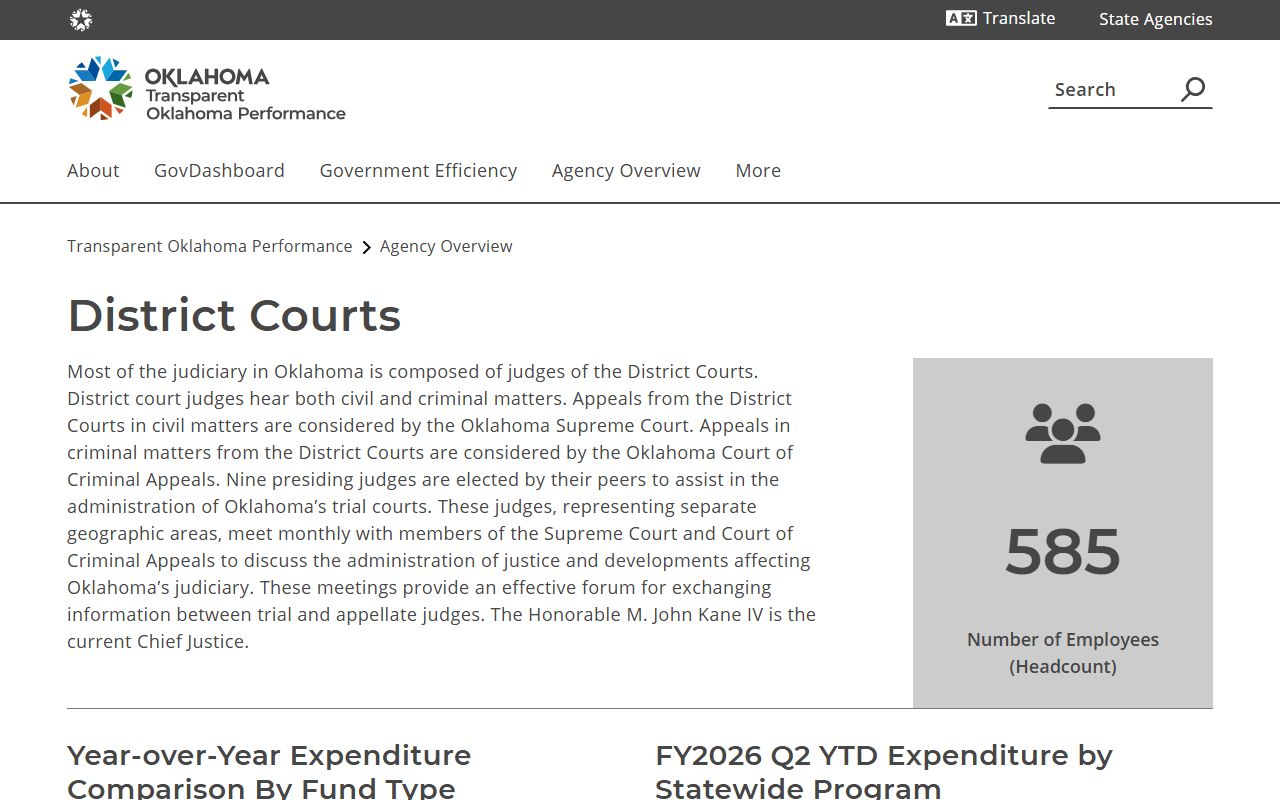
Once the document is filed, the charges are public unless a statute or order says otherwise. From that point the docket records every change to the charges as the case moves.
Latimer County Charge Status and What It Means
Charges rarely stay frozen. As a case moves, the prosecutor or the court can change them. A charge can be amended to fit new facts, reduced to a lower level, added, dropped, or dismissed. The docket logs each change with a date, so the current status may differ from the charge first filed. Reading the latest entry matters more than reading the first.
| Status | What It Means |
|---|---|
| Pending | The charge is filed and active, with no final outcome entered yet. |
| Amended / Reduced | The charge was changed or lowered to a different offense or level. |
| Dismissed | The court ended the charge, by the prosecutor's request or its own order. |
| Nolle Prosequi | The prosecutor chose not to pursue the charge, dropping it from the case. |
Charges vs. Convictions
Being charged is not the same as being convicted. A charge is an accusation that rests on probable cause. A conviction comes only after a guilty plea, a no contest plea, or a verdict, and it must be proven beyond a reasonable doubt. A person may be charged with several counts and convicted of none, one, or all of them. The charge record alone does not tell you guilt.
| Charge | Conviction | |
|---|---|---|
| Stage | Accusation | Verdict or plea |
| Burden of Proof | Probable cause | Beyond reasonable doubt |
| Public Record | Yes | Yes |
Sealed vs. Expunged Records
Some charge records leave ordinary public view. Oklahoma law allows records to be sealed or expunged, and the two are not identical. A sealed record is closed from normal public access but may still exist for limited official use. An expunged record is treated as though the event never happened, and the public portal data is removed or restricted after the court order. Both come from a court process, not an automatic clock.
| Sealed | Expunged | |
|---|---|---|
| Visibility | Hidden from public | Removed or treated as never existed |
| Law Enforcement | Limited access | Very limited access |
| Eligibility | Set by court order and case status | By Title 22 petition filed as a civil action |
Oklahoma handles expungement through a civil petition under Title 22. The state court rule on expungement requests explains that these requests are filed by petition, not granted on their own.
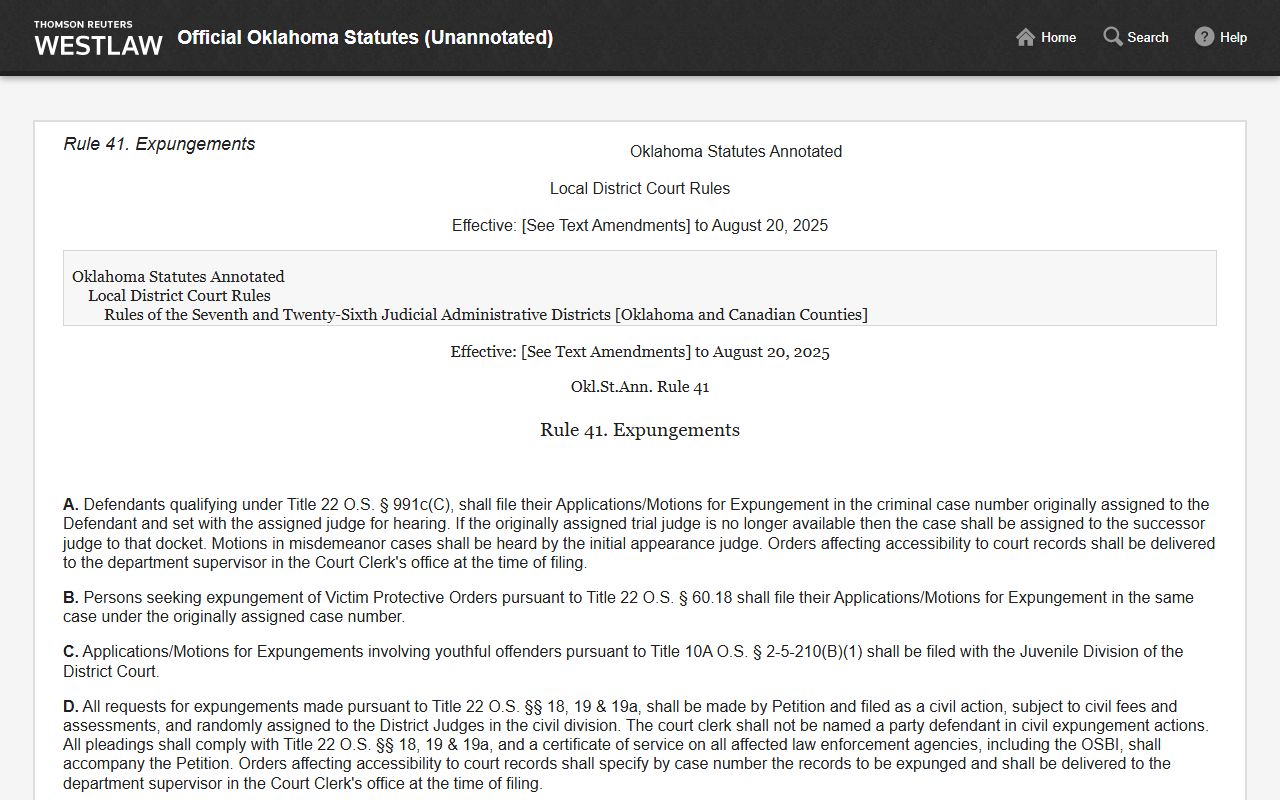
Eligibility turns on the case type, the outcome, and how much time has passed. Latimer-specific expungement fees were not posted by the county, so the Court Clerk is the place to confirm them before filing.
Note: An expungement order may seal court records, restrict arrest records, or allow limited law-enforcement access, so the public effect is not the same in every case.
Latimer County Charge Codes and Severity Levels
Each charge ties to a statute, and Oklahoma cases carry a code that signals the type and level. Case numbers follow a prefix, year, and number pattern, such as CF-2025-00001. The prefix is the quickest read on what kind of charge a case holds. A single arrest can produce several separate charges, so one booking may turn into more than one count or even more than one case.
- CF marks a criminal felony, the most serious class of charge.
- CM marks a criminal misdemeanor, a lower-level offense.
- TR marks a county traffic charge filed in the District Court.
- The year and sequence number that follow the prefix make each case unique.
Felony and misdemeanor are the two main charge levels. A felony carries the heavier possible punishment, while a misdemeanor sits below it. The code, the count number, and the level together tell you how serious the filed charges are.
Statewide Charge and Criminal History Lookups
A single county docket does not capture a person's full record. For a statewide view, Oklahoma routes criminal history through the Oklahoma State Bureau of Investigation. Its CHIRP portal runs name-based and fingerprint-based criminal history checks and is linked from the District Attorney's own pages. The result pulls charges and dispositions reported from courts across the state, not just Latimer County.
Booking information itself follows a public-records law. The disclosure of law enforcement and jail records is governed by 51 O.S. Section 24A.8, which makes basic arrest and jail-register facts open while shielding some investigative detail.
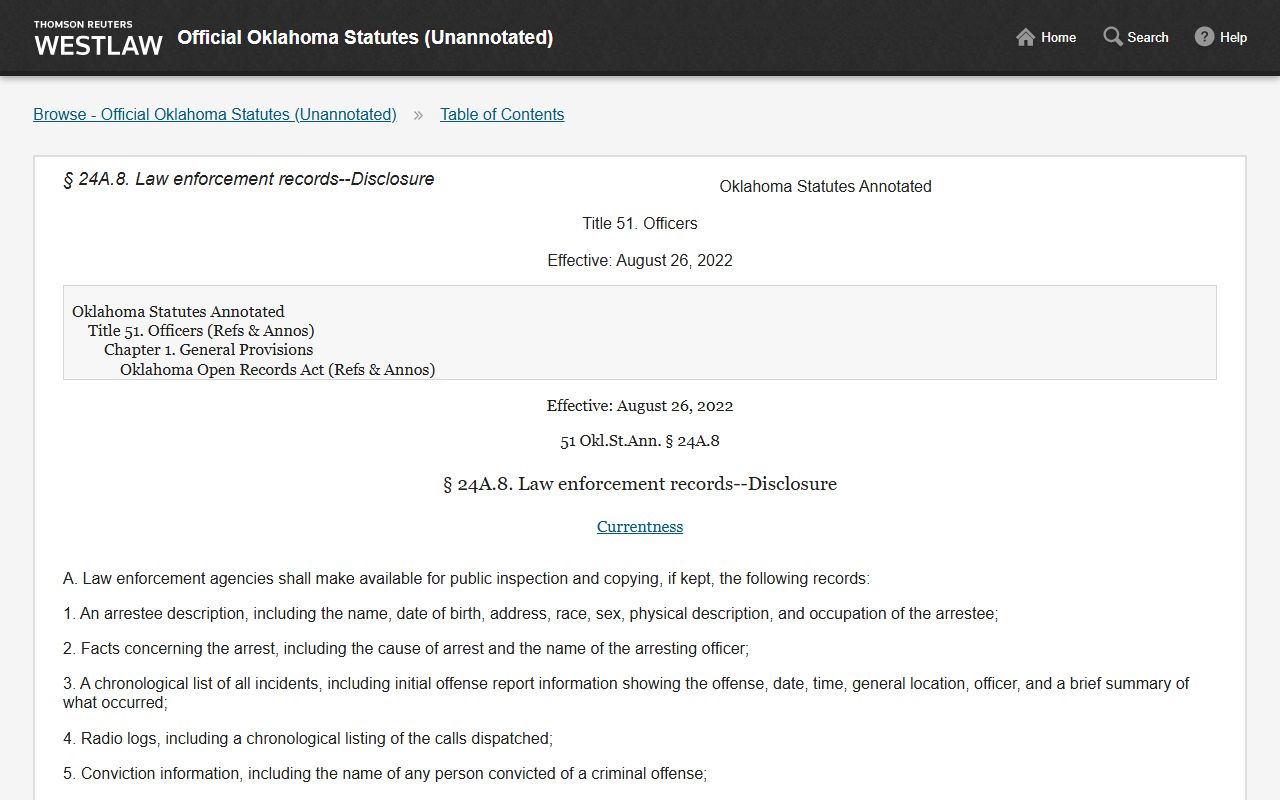
That statute is why the sheriff can confirm a booking but may withhold parts of an active case. The District Attorney files and tracks the charges that the statewide record later reflects.
Background Checks on Latimer County Charge Records
Charge records are easy to find, but using them carries rules. A casual look at a docket is one thing. Using charge data to decide on a job, a loan, a lease, or insurance is another, and federal law treats that second use as a background check with strict standards. A formal background check must meet Fair Credit Reporting Act rules and use a regulated agency. A quick public search does not meet that bar.
Important: This site is not a consumer reporting agency under the Fair Credit Reporting Act, and its records may not be used for employment, credit, housing, or other FCRA-regulated decisions.
Restricted Charge Records in Latimer County
Not every charge is open to the public. Oklahoma keeps several categories out of the ordinary docket. Juvenile charges are confidential, and access is limited to parties, attorneys, agencies, and others the law allows. Sealed and expunged charges drop from public view after a court order. Records tied to an active investigation may be withheld until the matter closes. Dismissed charges can stay visible in the docket, but some details inside them may be redacted.
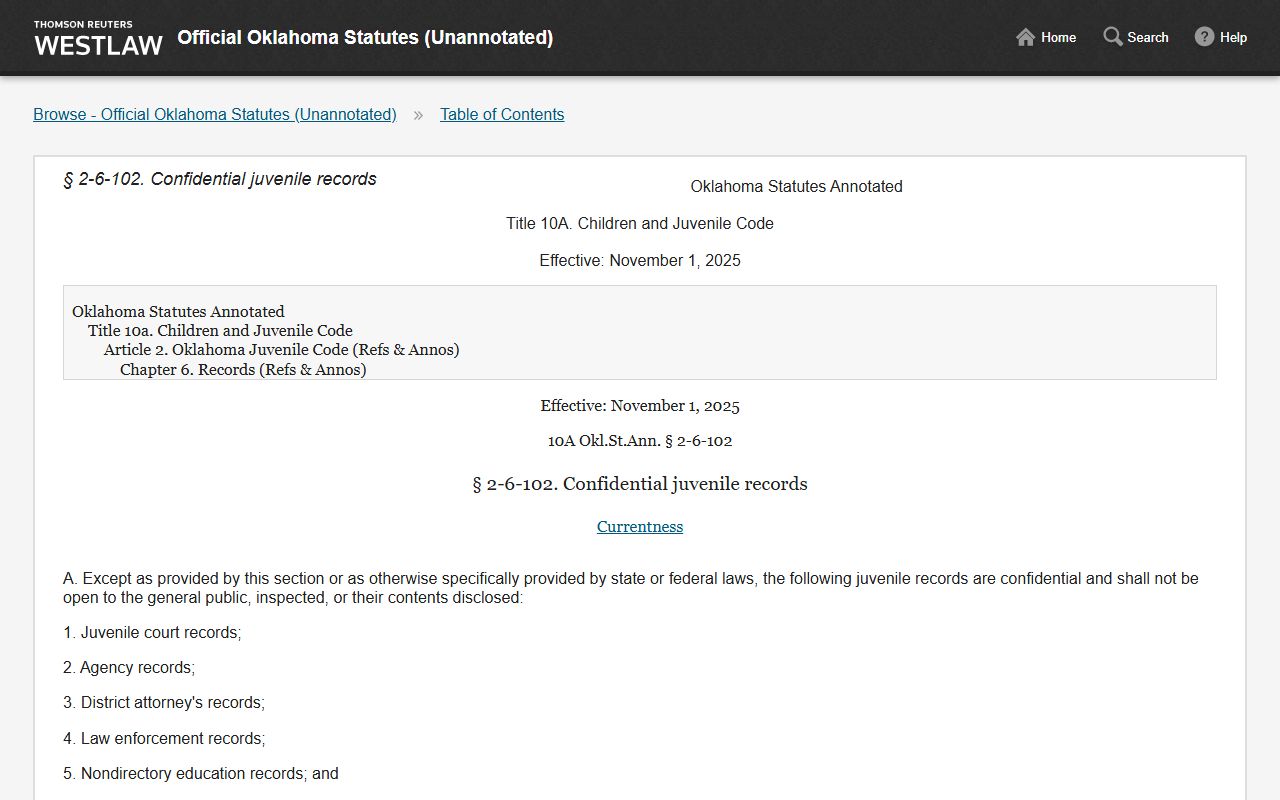
Juvenile confidentiality comes straight from statute. Under 10A O.S. Section 2-6-102, juvenile court, agency, and law-enforcement records stay confidential unless a law permits release.
When a record is restricted, the public portal may show nothing at all. In those cases the Court Clerk can explain whether a file is sealed, confidential, or simply not online.
Note: A dismissed or expunged charge can still surface in older copies, so confirm current status with the Court Clerk before relying on a single search result.